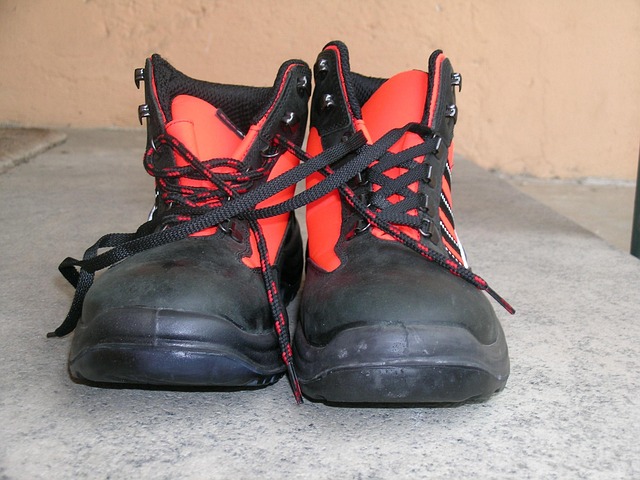
When it comes to workplace footwear, safety is the top priority—but modern safety shoes do much more than just protect your feet. From steel toes to slip-resistant soles, from certifications to ergonomic design, choosing the right safety shoe can improve performance, reduce fatigue, and protect your long-term health.
This guide covers everything you need to know in 2026 to choose the right footwear for your workplace.
When we think of safety shoes, most people focus on steel toes, slip-resistant soles, or puncture protection. But what if your footwear could do more than just guard your feet? What if it could boost your performance, reduce fatigue, and support your long-term health—all while standing as a symbol of resilience on your journey?
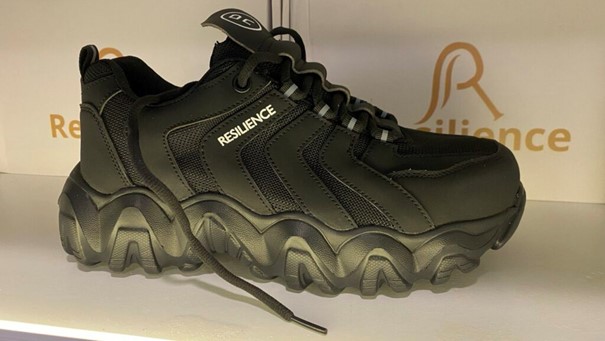
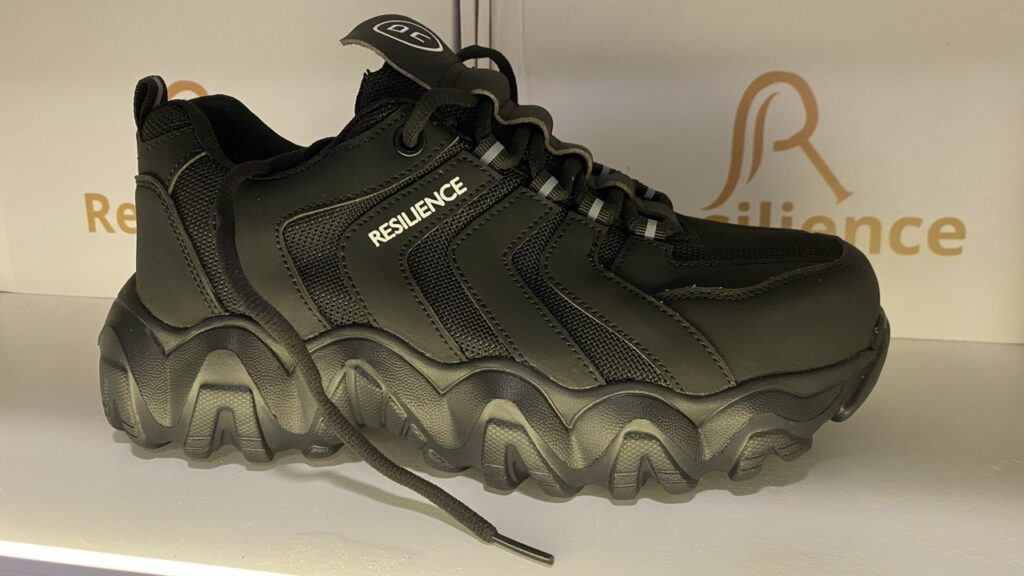
In 2026, modern safety shoes are about protection and purpose. This guide explores the types, certifications, and comfort features that make a shoe not just safe, but empowering—and highlights standout models like Resilience Shoes that go the extra mile.
1. Types of Safety Shoes: Matching Protection to Your Job
Choosing the right safety shoe starts with understanding your hazards and work environment. Every role demands something different, and the right shoe combines protection, comfort, and durability.
Steel Toe Shoes
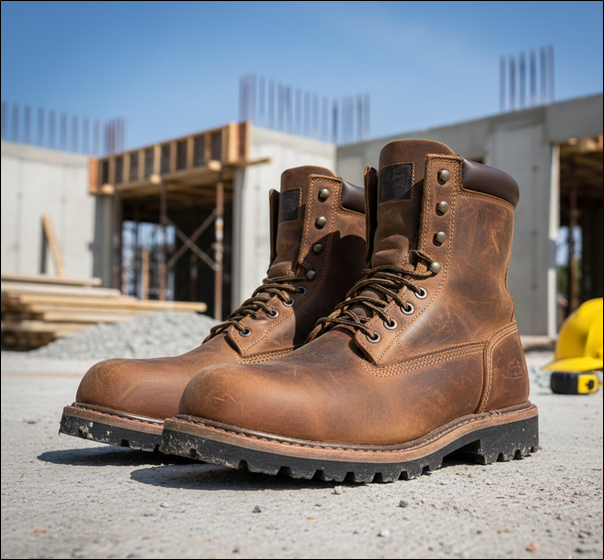
Classic impact protection for heavy falling objects. Ideal for construction, manufacturing, and warehouses.
Why Resilience Shoes stand out: Their steel toe models are anti-smash tested, giving extra confidence on uneven terrain or around heavy equipment.
Composite Toe Shoes
Lightweight, non-metallic protection. Perfect for airports, electrical work, and security. Metal detector-friendly and often EH-rated for electrical hazards.
Slip-Resistant Shoes
Non-slip soles for wet or slippery surfaces. Essential for hospitals, kitchens, and warehouses. Resilience Shoes combine deep tread grooves and slip-tested outsoles, keeping every step secure.
Electrical Hazard (EH) Shoes
Insulated soles prevent shocks. Critical for electricians, utility workers, and construction staff.
Puncture-Resistant Shoes
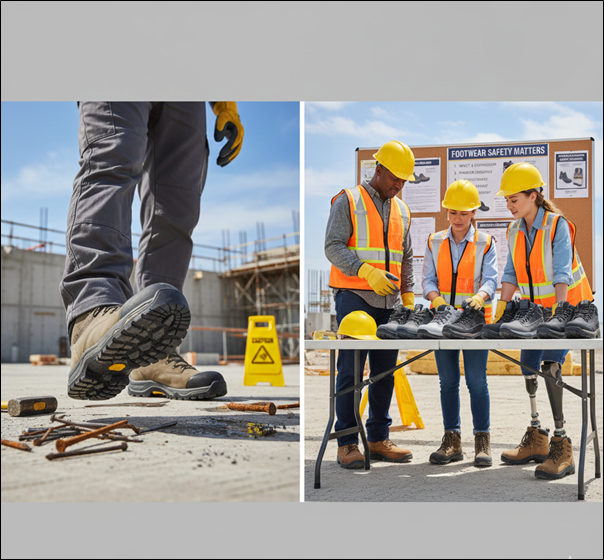
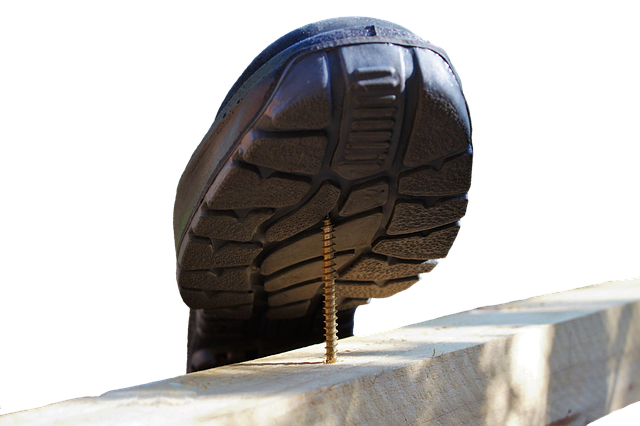
Kevlar or steel midsoles protect against nails, shards, and debris. Resilience Shoes feature anti-stab technology, giving you peace of mind on construction sites or factory floors.
Waterproof & Cold-Weather Shoes
Insulated, weatherproof options for outdoor construction or winter work.
All-Day Comfort Shoes
Lightweight, sneaker-style safety shoes designed for long shifts in healthcare, logistics, or retail. Ergonomic and cushioned for fatigue reduction.
Pro Tip: Matching shoe type to your hazards isn’t just safety—it’s efficiency. When your feet are protected, you perform better.
2. Safety Certifications: Know What Protects You
A shoe is only as good as its tested safety standards. Look for certifications that guarantee protection:
- ASTM F2413 – Impact and Compression Resistance
Protects against falling objects. Vital for construction, manufacturing, and warehouse staff. - Slip-Resistance Ratings (SRA, SRB, SRC)
Ensures safe footing on tiles, steel, or wet floors. SRC-rated shoes pass both major slip tests. - Electrical Hazard (EH) Rating
Non-conductive soles prevent electric shocks. Essential for electricians or anyone working near live circuits. - OSHA Compliance
Employers must provide hazard-appropriate footwear to reduce liability and injury risks.
Why it matters: Resilience Shoes aren’t just stylish—they meet or exceed these standards, combining certified protection with ergonomic design for long-term wear.
3. Comfort and Ergonomics: Shoes That Work As Hard As You Do
Protection is essential, but comfort keeps you performing at your best. Modern safety shoes include:
- Arch Support & Cushioning – Reduces fatigue and prevents conditions like plantar fasciitis.
- Ergonomic Design – Distributes weight evenly to reduce strain on legs, knees, and back.
- Breathable Materials – Mesh panels and moisture-wicking linings keep feet cool and odor-free.
- Lightweight Construction – Enhances mobility for jobs involving climbing, walking, or fast movement.
- Shock-Absorbing Soles – Protect joints and spine during high-impact work.
Resilience Shoes excel in comfort, pairing steel/composite toe protection with anti-fatigue technology that makes even the longest shifts feel lighter.
4. Why Resilience Shoes Are a Game-Changer
Safety shoes are more than protective gear—they can be tools of confidence. Resilience Shoes integrate:
- Anti-Smash Steel Toes – Protect against heavy impact without compromising flexibility.
- Anti-Stab Kevlar Midsoles – Shield against nails, shards, and sharp debris.
- Slip-Resistant Outsoles – For sure footing on slippery or uneven surfaces.
- Ergonomic Support – Cushioned, lightweight design for long hours on your feet.
Every pair tells a story: you’re prepared, resilient, and ready to tackle challenges with confidence.
5. How to Choose the Right Pair
When shopping, consider these three pillars:
- Hazard Protection – Steel/composite toes, EH rating, puncture resistance, anti-smash/anti-stab features.
- Certifications – ASTM, OSHA, slip-resistance ratings.
- Comfort & Performance – Arch support, ergonomic design, breathable and lightweight construction, shock absorption.
Pro Tip: Investing in high-quality safety shoes saves money in the long run by reducing injuries, absenteeism, and fatigue.
6. Step Into Your Purpose
The right safety shoe doesn’t just protect—it empowers. Whether you’re in construction, healthcare, hospitality, or logistics, shoes like Resilience Shoes give you:
- Protection against hazards
- Comfort for long shifts
- Confidence to move safely and efficiently
When you lace up a pair of Resilience Shoes, every step becomes a statement: “I’m prepared. I’m resilient. I stand strong.”
Summary
Understanding the different types of safety shoes allows you to pick the best option for your job role, workplace hazards, and comfort needs.
| Type | Features | Ideal For |
|---|---|---|
| Steel Toe Shoes | Classic protection against heavy falling objects | Construction, manufacturing, warehouses |
| Composite Toe Shoes | Lightweight, non-metallic; good for metal detector areas or electrical hazards | Airports, electrical work, security |
| Slip-Resistant Shoes | Non-slip soles with enhanced traction | Kitchens, hospitals, warehouses |
| Electrical Hazard (EH) Shoes | Insulated soles prevent electrical shocks | Electricians, utility workers, construction |
| Puncture-Resistant Shoes | Kevlar or steel midsoles protect against nails, shards | Construction, landscaping, factories |
| Waterproof / Cold-Weather Shoes | Insulated, weatherproof for harsh conditions | Outdoor construction, winter work |
| All-Day Comfort Shoes | Lightweight, sneaker-style safety shoes for long shifts | Healthcare, retail, logistics |